


As a nail tech with over 6 years of experience, here is my 2026 warning on regular polish vs gel polish. Stop risking damage and find your perfect match!
Table of Contents
Quick Answer:What’s the difference between gel and regular nail polish? Regular polish is a solvent-based lacquer that air-dries and lasts up to 7 days. Gel polish requires curing under a UV/LED lamp to form strong polymer bonds, creating a chip-resistant, high-gloss finish that lasts 2 to 3 weeks.
In my 6 years as a professional nail technician, I’ve seen thousands of hands. I’ve seen flawless, glossy nails that last for weeks. And I’ve seen completely ruined, paper-thin nail beds.
The culprit? It’s usually a bad choice in the regular polish vs gel polish debate.
Most blogs will give you a robotic breakdown of these two products. But as someone who actually works with these formulas daily, I’m giving you my honest 2026 warning. Formulas have changed. The stakes for your nail health are higher.
Let’s cut through the fluff and figure out exactly what belongs on your nails.
👉 Want more insider nail secrets? Make sure you bookmark NailBeautyZone and drop a comment below this post if you have questions!
Regular Polish vs Gel Polish: Understanding the Basics
Let’s get straight to the science, but keep it simple.
Regular nail polish is a traditional solvent-based lacquer. You paint it on, the solvents evaporate in the air, and the polish hardens. It’s a classic, but it’s fragile.
Gel polish is entirely different. It contains photo-initiators. This means it stays completely liquid until you put it under a UV/LED lamp. The light triggers a chemical reaction, creating strong polymer bonds. It doesn’t “dry” it cures into a hard plastic-like shell.
What Most Blogs Get Wrong: They tell you gel polish ruins your nails. It doesn’t. The removal process does. We’ll get to that.
Regular Polish vs Gel Polish: The Full Comparison Box
Here is a quick, brutally honest look at how they stack up.
| Feature | Regular Polish | Gel Polish |
| Wear Time | 3 to 7 days | 2 to 3 weeks |
| Drying Method | Air dry (15+ minutes) | UV/LED lamp (30-60 seconds) |
| Finish | Fades and dulls over time | High-gloss, chip-resistant shine |
| Removal | Standard polish remover (Fast) | Soak-off method (Takes 15+ mins) |
| Cost | Budget-friendly | Higher upfront investment |
The Time Factor: Application and Removal
When I test new products on clients, the application time is critical.
Regular polish takes about 15-20 minutes of pure paranoia where you can’t touch your keys, your phone, or your hair. Even then, smudging is almost guaranteed.
Gel nails vs regular nails is a completely different ballgame. With gel, the curing process takes 60 seconds per layer. The second your hand leaves the lamp, the polish is rock solid.
Mistakes I Made: The Removal Trap
Early in my career, I rushed gel removal. This is the biggest danger zone.
To remove gel, you must use the proper soak-off method with pure acetone, foil wrapping, and cotton pads. Never scrape it off. Scraping rips off the top layers of your natural nail plate. Regular nail polish vs gel is much safer here it wipes off in seconds.
Health Considerations for Your Natural Nails
Is regular nail polish bad for your nails? No. But gel doesn’t have to be, either.
In 2026, the industry is shifting hard toward HEMA-free formulas. HEMA is a chemical in older gels that can cause allergic reactions over time. If you choose gel, always check that the brand is HEMA-free.
My Daily Rule: No matter which polish you use, you must apply cuticle oil daily. It keeps the polish flexible and your natural nail bed deeply hydrated.
UV Lamp Safety: My Quick Hand Care Rule
Will a UV lamp age your hands? This is a huge concern in 2026. While the light exposure is very short, here is my strict salon rule to keep your skin safe anywhere in the world:
- Use Sunscreen: Apply broad-spectrum sunscreen to your hands 20 minutes before your gel manicure.
- Wear UV Gloves: Invest in fingerless UV-blocking gloves for zero risk.
- The Result: You get a flawless, chip-resistant gel finish while keeping your skin youthful and safe.
Cost Analysis: Investment vs. Value
Let’s talk money. A salon gel manicure costs more. But let’s look at the math from a DIY at-home perspective.
If you buy regular polish, you spend a few dollars, but you reapply it every 4 days.
If you invest in a UV/LED lamp and gel polish, the upfront cost is higher. However, you do your nails once every three weeks. In my experience, gel is significantly cheaper over a 12-month period because of its sheer longevity.
Gel Polish vs Regular Polish on Toes
I recently ran a 30-day wear test on pedicures. The results weren’t even close.
Because our toes don’t do manual labor like typing or washing dishes, regular polish actually performs well here. It can last up to two weeks.
But gel polish on toes? It’s basically indestructible. I’ve seen clients come back after 6 weeks with a flawless finish, only needing removal because the nail grew out too much. If you are going on a beach vacation, gel is mandatory.
Gel vs Regular Polish on Acrylic Nails
If you wear acrylic extensions, you might wonder what’s the difference between gel and regular nail polish on top of them.
Acrylics give you a rock-hard foundation. Because the surface doesn’t bend, regular polish won’t chip as fast as it does on a natural nail.
However, gel polish versus regular polish on acrylics still wins. The gel bonds beautifully to the acrylic surface, locking in a flawless, high-gloss finish that regular lacquer simply cannot replicate.
The 2026 Trend: What is BIAB or Rubber Base?
What sits between regular polish and hard acrylics? The answer is BIAB (Builder in a Bottle) or a rubber base. If your nails are paper-thin, regular polish won’t protect them. Here is why I use this on almost every client:
- Thicker Formula: It is much more flexible than standard gel polish.
- Shock Absorber: It acts like a protective shield over your natural nail bed.
- Versatile: You can paint either regular lacquer or gel color right on top of it.
Before you paint: Yes, you can layer traditional lacquer over a hard base, but doing it wrong will cause instant peeling. Read my complete 2026 guide on using Nail Polish on Gel Nails for the right way to do it.
Real Reviews: What Users and Professionals Actually Say
At the salon, the feedback is consistent.
Clients who switch to gel rarely go back. They tell me, “I finally have hands that look professional all month.” The chip-resistant nature of gel gives them peace of mind.
On the flip side, my clients who are artists, nurses, or chronic pickers prefer regular polish. They like the freedom to wipe it off instantly on a Sunday night without committing to a 20-minute soak-off process.
Nail Cycling: When to Take a Break
How often should you let your nails breathe? “Nail cycling” is the viral 2026 trend for perfect hand health. Even with the safest HEMA-free gel, I tell my clients to follow this simple cycle:
- The Wear Phase: Wear your gel polish safely for three months straight.
- The Rest Phase: Take a mandatory two-week break from all gel products.
- The Hydration Phase: Switch to a breathable regular nail polish or use heavy cuticle oil to deeply hydrate the nail plate.
Practical Considerations for Different Lifestyles
So, which one should you choose?
Go with Regular Polish if you:
- Love changing your nail color twice a week.
- Want zero hassle during the removal process.
- Have severely brittle nails that need a break.
Go with Gel Polish if you:
- Are a busy professional or mom who needs 3 weeks of zero-maintenance nails.
- Hate sitting still while waiting for nails to air dry.
- Want that thick, wet-look flawless finish.
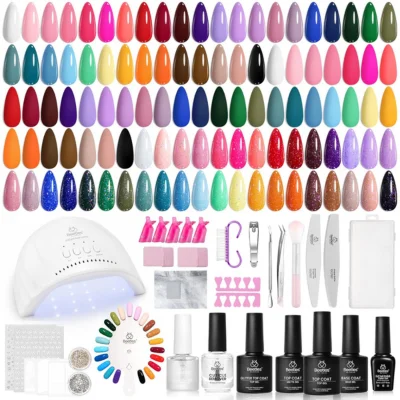
Beetles Gel Nail Polish Kit with UV Light, 68 Pcs 35 Colors Gel Nail | Emotional Spectrum Kit with Base Matte&Glossy Top Coat Soak Off Nails Supplies Manicure Set Home Salon Gifts for Women
Price : $42.99
Skip the expensive salon appointments👉 Shop Now: My Top-Rated Gel Polish Starter Kit to get 3+ weeks of flawless, chip-free nails at home!
💡 Note: This post may contain affiliate links. If you purchase through these links, I may earn a small commission at no extra cost to you.
Final Thoughts
The regular polish vs gel polish debate ultimately comes down to your time and patience. In my experience, if you want a chip-resistant, flawless finish that survives three weeks of real life, gel is the absolute winner. But if you love switching colors weekly and hate the 15-minute soak-off removal process, stick to traditional lacquer.
My final verdict? Choose gel for durability, but never compromise on a safe, patient removal process. Your natural nail bed will thank you!
FAQs
How to know if polish is gel or regular?
Look at the bottle instructions. If it says it requires a UV/LED lamp to cure, it is gel polish. If it says to let it air dry, it is regular solvent-based lacquer. Gel bottles are also completely opaque to prevent sunlight from curing the product inside.
What are the disadvantages of gel nail polish?
The main disadvantages are the longer removal process and the potential for nail damage if you peel or scrape the polish off. It also requires an initial investment in a curing lamp if you are doing a DIY at-home manicure.
Is regular nail polish bad for your nails?
No, regular polish is generally safe and gentler to remove. However, leaving it on for too long or using harsh acetone frequently can cause your nails to become dry and prone to peeling. Always use a protective base coat.
Meet Ava
With over six years of hands-on expertise in nail care, lash artistry, and premium hair styling, I am dedicated to elevating beauty standards. Through my digital platform, NailBeautyZone, I analyze global beauty trends with a strict emphasis on product safety and hypoallergenic formulations.
My philosophy is uncompromising: if a product hasn’t been rigorously tested and personally trusted, it doesn’t earn my recommendation.









Leave a Reply