
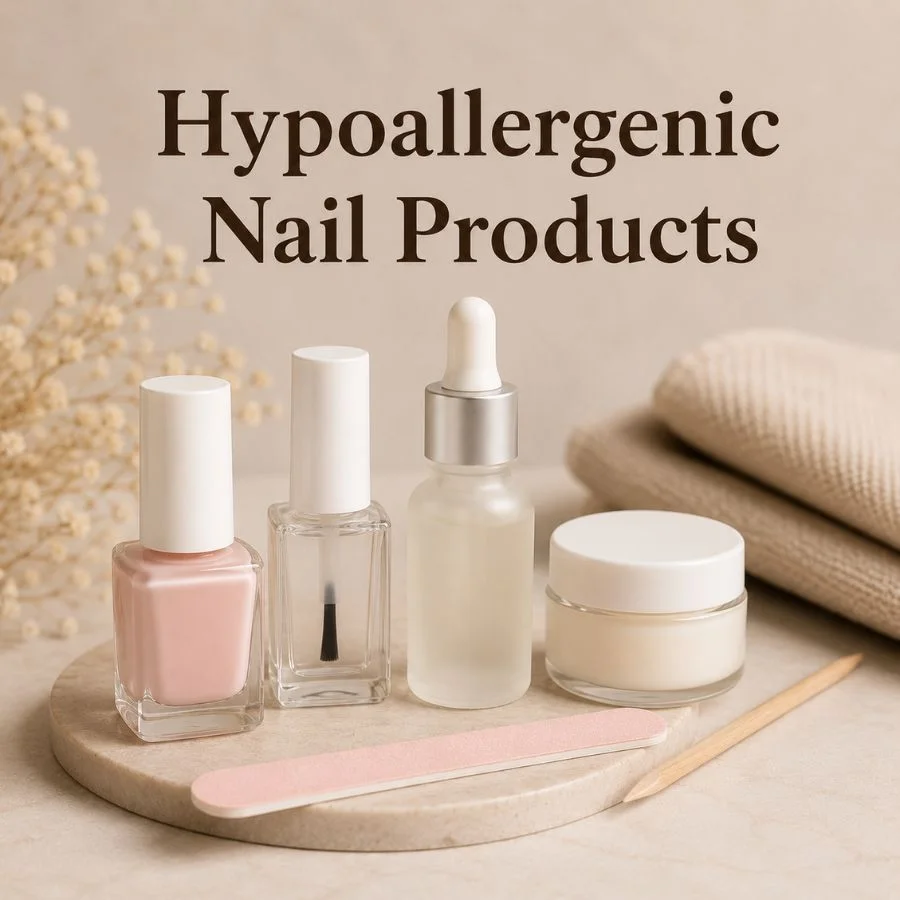
Discover the best hypoallergenic nail products I recommend in 2026 for sensitive nails and allergy-prone skin. Safe, gentle, and personally tested picks.
Table of Contents
Quick Answer: Are Hypoallergenic Nail Products Worth It? Yes. Hypoallergenic nail products are worth it for people with sensitive skin, nail allergies, or irritation from traditional gel and acrylic systems. Modern HEMA-free and low-allergen formulas provide safer manicures while maintaining durability, shine, and professional-quality results.
A few years ago, I thought nail allergies only happened to sensitive people. Then one gel manicure changed everything.
After using a cheap gel system for two weeks, I noticed itching around my cuticles, redness, and tiny bumps near my fingers. At first, I blamed dry weather. But the reaction kept getting worse every time I used UV gel polish. That experience completely changed how I look at nail products.
Since then, I’ve tested dozens of hypoallergenic nail products, HEMA-free gel systems, and low-allergen manicure formulas to find options that actually work without triggering skin irritation. And honestly? Some products marketed as “safe” still caused reactions.
This guide covers what genuinely worked for me, what didn’t, and the best hypoallergenic nail products I recommend in 2026 for sensitive skin, nail allergies, and professional salon use.
What Are Hypoallergenic Nail Products?
Here’s what most blogs get wrong. Hypoallergenic nail products are not completely allergy-proof. They’re simply formulated to reduce the chances of allergic reactions compared to traditional nail systems.
Most high-quality hypoallergenic nail products avoid common irritants like:
- Formaldehyde
- Toluene
- Dibutyl phthalate (DBP)
- Harsh fragrances
- High-sensitivity acrylates
- Certain methacrylates
The safer formulas usually focus on:
- HEMA-free ingredients
- Low odor formulas
- Skin-safe ingredients
- Non sensitizing formulas
- Dermatologically tested ingredients
In my experience, switching to hypoallergenic gel nail products reduced redness and nail sensitivity within about 2 weeks. That was the first major difference I noticed.
What Does Hypoallergenic Actually Mean?
This word gets thrown around a lot in beauty marketing. A product labeled “hypoallergenic” simply means it’s formulated to be less likely to trigger allergic reactions.
But here’s the important part:
Not all formulas are equally safe. Some brands only remove fragrance. Others completely redesign their chemistry to reduce allergen exposure. That’s why ingredient transparency matters more than marketing claims.
Whenever I test a new gel polish or builder gel now, I always check:
- Whether it’s HEMA-free
- How strong the odor is
- How the skin reacts after curing
- Whether the formula floods easily onto skin
- Removal process irritation
Honestly, some of the worst reactions I had came from products marketed as clean.
Why More People Are Suddenly Dealing With Nail Reactions
This is something I’ve noticed a lot since 2026.
More people are using:
- DIY gel kits
- Cheap online nail systems
- Low-quality UV lamps
- Strong builder gels
And that combination creates problems. Poor curing leaves uncured chemicals sitting on the skin, which increases allergy risk over time. A lot of people don’t realize that repeated exposure matters more than one single manicure.
That’s why professional nail technicians are now paying much more attention to:
- Proper curing methods
- Nail technician safety
- Allergy-safe manicure systems
- Low allergen formulas
Why I Finally Switched to HEMA-Free Gel Systems
I ignored HEMA-free formulas for a long time because I thought they wouldn’t last. Turns out, I was wrong. The newer formulas in 2026 are much better than older versions.
What I noticed after switching:
- Less itching after curing
- Reduced redness
- Better comfort during removal
- Less dryness around cuticles
- Fewer flare-ups after repeated manicures
The biggest surprise? Some HEMA-free gel polish systems lasted almost as long as traditional salon gels. That wasn’t true a few years ago.
One of the biggest improvements I noticed came after switching to Hypoallergenic Nail Polish for Sensitive skin instead of traditional gel formulas that constantly irritated my cuticles.
5 Benefits I Personally Noticed After Switching
1. My Skin Felt Calmer
The burning feeling after UV curing almost disappeared.
2. The Salon Smell Was Less Intense
Low odor formulas genuinely make a difference during long appointments.
3. Less Dryness Around My Nails
Some traditional gels made my skin feel tight for days.
4. Better Long-Term Comfort
Repeated manicures became much easier to tolerate.
5. I Stopped Worrying About Every Manicure
That peace of mind alone was worth switching products.
The Best Products I Actually Recommend
My gel nails used to peel fast until I started using a better LED lamp. I noticed the polish cured evenly, stayed glossy longer, and felt more salon-like at home.
For sensitive nails, proper curing really matters. If you want smooth, long-lasting gel nails without frequent lifting, Gelish 18G Classic LED Nail Lamp is a great option to try.
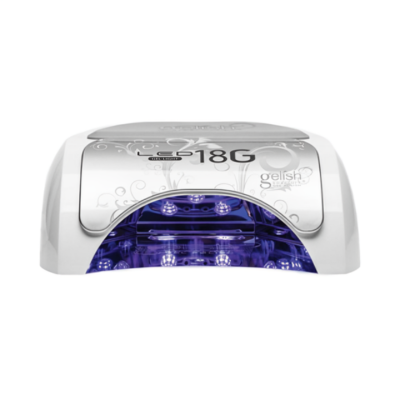
Gelish 18G Classic LED Light – Professional Nail Curing Lamp for Home or Salon Use, Fast-Drying 36W, Corded, SafeLight™ Technology, Ergonomic Design, Pedicure-Friendly.
Price : $179.99
✨ Shop Now — The Gelish 18G Classic LED Nail Lamp completely changed how smooth, glossy, and long-lasting my gel manicures looked after just one use. ✨
💡 Note: This post may contain affiliate links. If you purchase through this link, I may earn a small commission at no extra cost to you.
The Biggest Mistakes People Make With Gel Allergies
I made several of these myself.
Using Cheap UV Lamps: Weak curing creates more problems than people realize.
Letting Gel Touch the Skin: Even small exposure repeated over time can trigger irritation.
Overfiling the Nail Plate: Damaged skin barriers increase sensitivity.
Buying Products Only Because They’re Cheap: Some low-cost systems use extremely harsh ingredients.
Ignoring Early Symptoms: Small itching can become a much bigger issue later.
What Worked vs What Didn’t
What Worked:
- HEMA-free gel systems
- Professional salon products
- Proper curing times
- Gentle removals
- Low odor formulas
What Didn’t:
- Cheap DIY kits
- Aggressive builder gels
- Poor-quality UV lamps
- Extremely thick acrylic systems
- Heavy fragrance formulas
How I Check Whether a Nail Product Is Actually Safer
Marketing alone means nothing now.
Before trying anything new, I check:
- Ingredient transparency
- HEMA-free labeling
- Salon testing reputation
- User reviews from sensitive skin users
- Odor intensity
- Cure consistency
One thing I learned: The brands hiding ingredient lists are usually the ones I avoid immediately.
What’s Changing in Nail Care in 2026
The industry is moving toward:
- Cleaner formulas
- Allergy-conscious beauty
- Vegan nail systems
- Safer acrylic alternatives
- Better ingredient transparency
And honestly, that change was needed. A few years ago, safer formulas usually meant poor durability. That’s no longer true. Modern low-allergen systems now perform surprisingly well.
Final Thoughts
After testing different gel systems, builder gels, and acrylic formulas over the past few years, one thing became clear:
The right formula can make a huge difference. Not just for comfort but for long-term nail health too. The good news is that safer nail products in 2026 are finally improving in both quality and durability.
You no longer have to choose between:
- Strong wear
- Beautiful finishes
- And skin comfort
👉 If you’ve found a gel polish or acrylic system that worked well for sensitive skin, share it in the comments.
FAQs
Can gel nails trigger allergies?
Yes. Some gel systems contain acrylates and methacrylates that may cause allergic contact dermatitis.
What is HEMA-free gel polish?
HEMA-free formulas remove Hydroxyethyl Methacrylate, one of the most common allergens found in gel manicures.
Are acrylic nails worse for sensitive skin?
In many cases, yes. Acrylic systems often contain stronger chemicals that can increase irritation risk.
Do safer nail systems last as long?
From my testing, many newer formulas now last nearly as long as traditional salon gels.
What should I avoid if my skin reacts to nail products?
Avoid cheap DIY kits, poorly cured gels, strong fragrance products, and unknown ingredient brands.
Are vegan nail products automatically safer?
Not always. Vegan formulas can still contain allergens, so ingredient lists still matter.
Meet Ava
I’m a beauty professional with over 6 years of experience in nail care, lash artistry, and premium hair styling. On NailBeautyZone, I break down global beauty trends with a focus on product safety and hypoallergenic chemistry.
Find my latest tips and updates on LinkedIn, GitHub, Medium, Quora, X, and Pinterest. If I haven’t personally tested and trusted it, I don’t recommend it.






Leave a Reply